Introduction
Zižole, also known as the jujube fruit, is a small but powerful fruit that has been valued for centuries. Popular in Mediterranean and Asian regions, it is loved for its sweet taste, natural energy, and impressive health benefits. Despite its long history, many people around the world are only now discovering this hidden superfruit.
Packed with vitamins, antioxidants, and natural compounds, žižole support immunity, digestion, and overall wellness. They can be eaten fresh, dried, or used in teas and traditional recipes. Their unique flavor—often compared to a mix of apples and dates—makes them both nutritious and enjoyable.
In this guide, you’ll discover what žižole are, their nutritional value, health benefits, how they are used in food and medicine, and how they are grown. By the end of the article, you’ll understand why this small fruit is gaining global attention.
What Are Žižole? Origin and Meaning
Žižole are small, round fruits that grow on the jujube tree. They belong to the species Ziziphus jujuba, a hardy tree known for producing sweet and nutritious fruit. Depending on the region, the fruit is called žižole, jujube, Chinese date, or red date. Although the names vary, they all refer to the same fruit that has been valued for centuries.
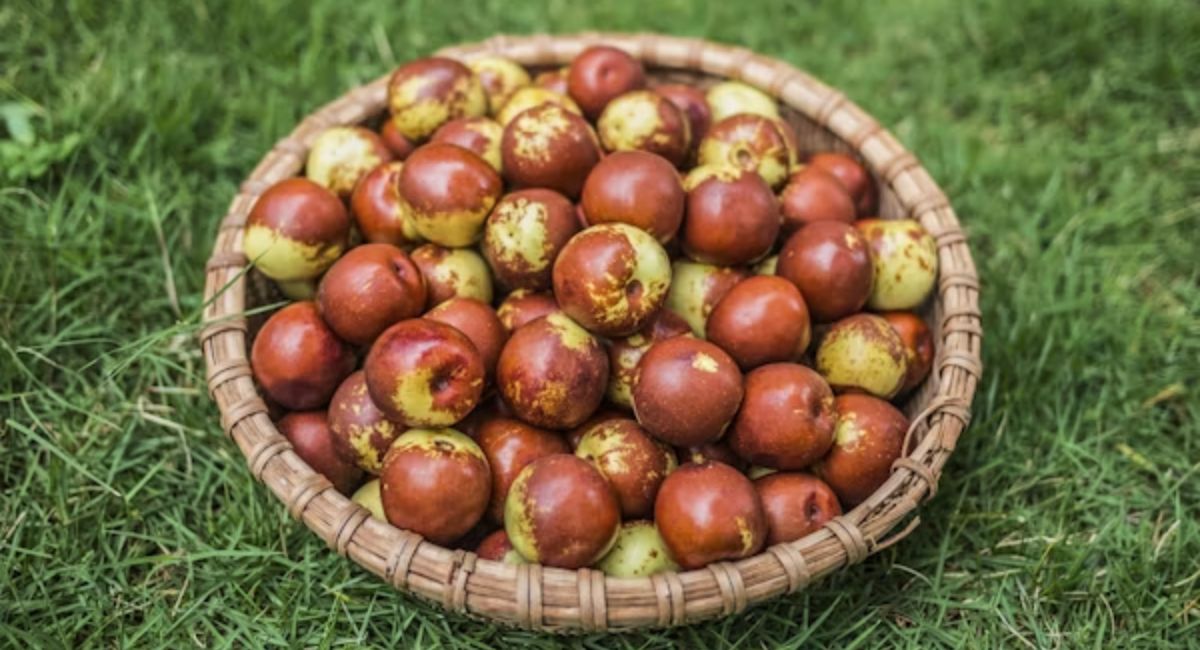
Fresh žižole look similar to small apples or olives. When they are young, the skin is smooth and green. As the fruit ripens, it turns reddish-brown and becomes sweeter. The texture also changes during ripening. Fresh fruit is crisp and juicy like an apple, while dried žižole become chewy and date-like.
Origin of Žižole
Žižole have a long agricultural history that dates back more than 4,000 years. The fruit is believed to have originated in Asia, particularly in regions that are now part of China. Over time, traders and travelers carried the plant along ancient trade routes. Because the tree adapts well to warm and dry climates, it spread successfully to many other regions.
Today, žižole are grown in:
- Mediterranean countries
- Southern Europe
- Parts of the Middle East
- South and East Asia
- Some warm regions of North America
In coastal Mediterranean areas, the fruit became especially popular and integrated into local traditions and seasonal diets.
Meaning Behind the Name “Žižole”
The word “žižole” is commonly used in parts of Southern and Eastern Europe. The name comes from local dialects that evolved from older Mediterranean terms for the jujube fruit. While the spelling may differ between languages, the pronunciation and meaning remain closely related.
In many cultures, the fruit symbolizes:
- Health and vitality
- Natural sweetness and nourishment
- Traditional herbal healing
Because of these associations, žižole are often used not only as food but also as part of traditional remedies and wellness practices.
Why Žižole Are Unique
Several qualities make žižole stand out from other fruits:
- Adaptable trees that grow well in dry or poor soil
- Long shelf life, especially when dried
- Naturally sweet flavor without added sugar
- High nutritional value including vitamins, minerals, and antioxidants
These characteristics helped žižole remain an important fruit across different cultures for centuries. Today, they are gaining renewed interest as people search for natural foods that support health and wellness.
History and Cultural Importance of Žižole
Žižole have a long and fascinating history that spans thousands of years. The fruit comes from the jujube tree, scientifically known as Ziziphus jujuba. Historical records show that this tree was first cultivated in parts of Asia more than 4,000 years ago, where it became an important fruit for both nutrition and traditional medicine.
Ancient Origins and Global Spread
Early farmers valued the jujube tree because it was resilient and easy to grow. It could survive drought, poor soil, and changing weather conditions. These qualities made it ideal for cultivation in dry and warm regions.
Over time, traders and travelers helped spread the fruit beyond Asia. Through ancient trade routes such as the Silk Road, the plant reached the Middle East, Mediterranean countries, and parts of Europe.
As the fruit moved across regions, different cultures gave it their own names and uses. In Mediterranean areas, especially in countries like Slovenia and Croatia, the fruit became widely known as žižole.
Cultural Significance in Different Regions
In many cultures, žižole are more than just a fruit. They hold symbolic and traditional value.
In several Asian cultures, the fruit is associated with:
- Good health and longevity
- Prosperity and happiness
- Healing and natural medicine
For centuries, dried jujube fruits were used in traditional herbal preparations and teas to promote relaxation and better sleep.
In Mediterranean regions, žižole often appear during autumn harvest seasons. Local markets sell the fresh fruit, and families use it in traditional recipes, desserts, and homemade sweets. The fruit is sometimes enjoyed as a simple snack because of its natural sweetness.
Žižole in Traditional Medicine
Traditional healing systems also recognized the benefits of jujube fruit. In practices such as Traditional Chinese Medicine, jujube has been used for centuries to support digestion, calm the mind, and strengthen the immune system.
Herbal remedies made from dried jujube fruit were commonly used to:
- Reduce stress and promote relaxation
- Support digestive health
- Improve sleep quality
- Provide natural energy
Because of these benefits, the fruit became deeply connected with wellness traditions in several cultures.
Why Žižole Still Matter Today
Even in modern times, žižole continue to hold cultural and nutritional importance. Many communities still grow the fruit in home gardens and small farms. Seasonal festivals and markets in Mediterranean regions celebrate the harvest of this traditional fruit.
Today, as interest in natural foods and traditional nutrition grows worldwide, žižole are gaining new recognition. Their long history, cultural roots, and health-supporting qualities make them a fruit that continues to connect past traditions with modern wellness trends.
Nutritional Value and Key Nutrients
Žižole are small fruits, but they are packed with important nutrients. Whether eaten fresh or dried, they provide vitamins, minerals, antioxidants, and natural sugars that support overall health. Because of their balanced nutrition, many people consider them a natural energy food.
The fruit comes from the tree species Ziziphus jujuba and has been used for centuries not only as food but also as part of traditional wellness practices.
Nutritional Profile of Fresh Žižole (Per 100 g)
Fresh žižole are low in calories but rich in nutrients. A typical serving contains:
- Calories: about 75–80 kcal
- Carbohydrates: around 20 g
- Fiber: about 2–3 g
- Protein: around 1 g
- Fat: less than 0.5 g
They also contain several important vitamins and minerals that the body needs for daily functions.
Key Vitamins in Žižole
Žižole provide a range of vitamins that help support immunity and overall health.
- Vitamin C – supports immune defense and skin health
- Vitamin A – helps maintain healthy vision and skin
- B-complex vitamins – assist in energy production and metabolism
Fresh fruits are particularly rich in vitamin C, which helps protect the body from oxidative stress.
Important Minerals
Along with vitamins, žižole also contain valuable minerals such as:
- Potassium – supports heart health and proper muscle function
- Calcium – important for strong bones and teeth
- Iron – helps carry oxygen in the blood
- Phosphorus – contributes to energy production and bone health
These minerals make the fruit beneficial for maintaining normal body functions.
Antioxidants and Plant Compounds
One of the most important features of žižole is their high antioxidant content. Antioxidants help protect the body’s cells from damage caused by free radicals.
Key plant compounds found in jujube fruits include:
- Flavonoids
- Polysaccharides
- Phenolic compounds
These natural substances are often linked to benefits such as improved immunity, better digestion, and reduced inflammation.
Fresh vs. Dried Žižole
Both fresh and dried versions of the fruit are nutritious, but they differ slightly in composition.
Fresh žižole:
- Crisp texture similar to apples
- Higher vitamin C content
- Lower calorie density
Dried žižole:
- Sweeter and chewy, similar to dates
- More concentrated natural sugars
- Higher calorie content due to water loss
Dried fruits are often used in herbal teas, desserts, and traditional recipes.
Why Žižole Are Considered a Nutrient-Dense Fruit
Žižole combine several nutritional advantages in one small fruit:
- Natural source of energy
- Rich in antioxidants
- Provides essential vitamins and minerals
- Supports daily nutritional needs
Because of this powerful combination, the fruit is increasingly recognized as a nutrient-dense superfruit in modern diets.
Major Health Benefits of Žižole
Žižole are valued not only for their sweet flavor but also for their impressive health benefits. The fruit comes from the tree species Ziziphus jujuba and has been used for centuries in traditional diets and natural medicine. Because it contains antioxidants, vitamins, and plant compounds, regular consumption may support several aspects of health.
Supports a Strong Immune System
One of the most notable benefits of žižole is their high vitamin C content. Vitamin C plays a key role in strengthening the immune system and helping the body fight infections.
Regular intake may help:
- Improve immune response
- Protect cells from oxidative stress
- Support faster recovery from illness
Antioxidants in the fruit also help reduce damage caused by harmful free radicals.
Promotes Better Sleep and Relaxation
Žižole have traditionally been used as a natural remedy for improving sleep quality. In systems like Traditional Chinese Medicine, dried jujube fruits are often used in herbal teas that help calm the mind.
Certain natural compounds found in the fruit may:
- Promote relaxation
- Reduce stress and anxiety
- Support healthier sleep patterns
This is why jujube tea is commonly consumed before bedtime in some cultures.
Supports Digestive Health
The fruit contains dietary fiber, which plays an important role in maintaining a healthy digestive system. Fiber helps food move through the digestive tract smoothly and supports gut health.
Possible digestive benefits include:
- Improved digestion
- Relief from mild constipation
- Better gut balance
Some plant compounds in the fruit may also support healthy intestinal function.
Provides Natural Energy
Žižole contain natural sugars and carbohydrates, making them a quick and healthy energy source. Unlike processed sweets, the fruit provides energy along with beneficial nutrients.
This makes it useful for:
- Quick snacks during busy days
- Natural energy before physical activity
- Reducing fatigue
Dried žižole are particularly energy-dense because the sugars become more concentrated.
Supports Heart Health
The fruit contains potassium and antioxidants that may contribute to cardiovascular health. Potassium helps regulate blood pressure, while antioxidants support healthy blood vessels.
Regular consumption may help:
- Maintain healthy blood pressure levels
- Improve circulation
- Reduce oxidative stress on the heart
These properties make žižole a helpful addition to a balanced diet.
Helps Maintain Healthy Skin
Because žižole are rich in vitamin C and antioxidants, they may also support skin health. These nutrients play an important role in protecting skin cells and supporting collagen production.
Potential skin benefits include:
- Healthier and brighter skin
- Protection from environmental damage
- Support for natural skin repair
This is one reason the fruit is sometimes used in natural wellness and beauty products.
Why Žižole Are Considered a Natural Wellness Fruit
The combination of nutrients, antioxidants, and beneficial plant compounds makes žižole a powerful fruit for overall well-being. Many people include them in their diets because they offer:
- Immune support
- Digestive benefits
- Natural energy
- Relaxation and sleep support
These benefits explain why žižole continue to be valued in both traditional health practices and modern nutrition trends.
Taste, Texture, and Comparison with Dates
Žižole are known for their unique flavor and texture, which change depending on how ripe the fruit is. The fruit comes from the tree species Ziziphus jujuba and is enjoyed both fresh and dried in many parts of the world. Because of its sweetness and versatility, people often compare it with other naturally sweet fruits such as dates.
What Do Žižole Taste Like?
The taste of žižole changes as the fruit matures.
- Unripe or early-stage fruit: Crisp, mildly sweet, and slightly tart. Many people say it tastes similar to a fresh apple.
- Fully ripe fruit: Sweeter and softer with a richer flavor.
- Dried žižole: Much sweeter with a deep, caramel-like taste similar to dried fruits.
This natural sweetness makes the fruit enjoyable as a snack without needing added sugar.
Texture of Fresh and Dried Žižole
The texture also changes depending on the fruit’s stage of ripeness.
Fresh žižole
- Crisp and juicy
- Light apple-like bite
- Thin edible skin
Dried žižole
- Soft and chewy
- Slightly wrinkled skin
- Dense and concentrated sweetness
Because of these differences, fresh fruits are usually eaten as snacks, while dried ones are commonly used in teas, desserts, and traditional dishes.
Žižole vs. Dates
Žižole are often compared with dates, but they have several differences. Dates usually come from the species Phoenix dactylifera, which produces a larger and softer fruit.
Here are the main differences:
Sweetness
- Žižole: Naturally sweet but lighter in flavor
- Dates: Very rich and intensely sweet
Texture
- Žižole: Crisp when fresh and chewy when dried
- Dates: Soft and sticky even when fresh
Calories
- Žižole: Generally lower in calories when fresh
- Dates: Higher calorie content because of concentrated sugars
Nutritional focus
- Žižole: High in vitamin C and antioxidants
- Dates: Rich in fiber, potassium, and natural sugars
Why People Enjoy Žižole
Many people prefer žižole because they offer a balanced taste that is sweet but not overwhelming. The fruit can be eaten fresh like an apple or dried like a natural candy.
Key reasons people enjoy them include:
- Pleasant apple-like crunch when fresh
- Naturally sweet flavor without added sugar
- Versatile use in snacks, teas, and desserts
- Lighter sweetness compared to dates
Because of this combination of flavor and texture, žižole have become popular both as a traditional fruit and as a modern healthy snack.
How Žižole Trees Grow and Ideal Cultivation Conditions
Žižole grow on a hardy fruit tree known scientifically as Ziziphus jujuba. These trees are valued by farmers because they are resilient and can survive in different climates. With proper conditions, a single tree can produce fruit for many years, making it a reliable crop in many regions.
Characteristics of the Žižole Tree
The žižole tree is usually small to medium in size but can grow quite strong over time. It has glossy green leaves, small yellow flowers, and branches that sometimes contain thorns. During the growing season, the tree produces round fruits that change color as they ripen.
Common characteristics include:
- Height typically between 5 and 10 meters
- Strong roots that tolerate dry soil
- Small fragrant flowers that attract pollinators
- Fruits that ripen from green to reddish-brown
Because of these qualities, the tree adapts well to different environments.
Ideal Climate for Growing Žižole
Žižole trees thrive in warm and sunny climates. They are especially common in Mediterranean and subtropical regions.
The best conditions include:
- Warm summers with plenty of sunlight
- Mild winters
- Low to moderate rainfall
One advantage of the tree is its drought tolerance. Once established, it can survive long periods without heavy watering.
Soil Requirements
Žižole trees are not very demanding when it comes to soil. They can grow in a wide range of soil types as long as drainage is good.
Ideal soil conditions include:
- Well-drained sandy or loamy soil
- Moderate soil fertility
- Slightly neutral to slightly alkaline pH levels
Good drainage is important because overly wet soil can damage the roots.
Growth and Harvest Cycle
The growth cycle of a žižole tree usually follows seasonal patterns.
- Spring: Trees begin producing leaves and small flowers.
- Early summer: Pollination occurs and fruit begins to develop.
- Late summer to autumn: Fruits mature and change color.
- Harvest season: Ripe fruits are picked when they turn reddish-brown.
Fresh fruits are often harvested in autumn when their flavor becomes sweet and crisp.
Growing Žižole at Home
Many people grow žižole trees in home gardens because they are relatively easy to maintain. Even beginner gardeners can successfully cultivate them.
Basic care tips include:
- Plant trees in full sunlight
- Water young trees regularly until roots develop
- Prune branches occasionally to improve airflow
- Protect young plants from extreme frost
Once mature, the tree requires minimal care and continues producing fruit each year.
Why Žižole Trees Are Popular for Cultivation
Farmers and gardeners appreciate žižole trees for several practical reasons:
- High adaptability to different climates
- Long lifespan and consistent fruit production
- Resistance to drought and poor soil conditions
- Nutrient-rich fruit with growing market demand
These qualities make the žižole tree an important fruit crop in many parts of the world and a valuable addition to home gardens.
Role of Žižole in Traditional Medicine and Modern Wellness
Žižole have been valued for centuries not only as a fruit but also as a natural remedy. The fruit comes from the tree species Ziziphus jujuba and has long been used in herbal traditions to support health and balance in the body. Today, these traditional uses are gaining attention again as people look for natural wellness solutions.
Žižole in Traditional Healing Practices
In many cultures, žižole were considered a healing fruit. Ancient herbal systems often included the fruit in teas, tonics, and medicinal preparations. One of the most well-known traditions that used jujube fruit is Traditional Chinese Medicine.
In traditional practices, the fruit was commonly used to:
- Calm the mind and reduce stress
- Improve sleep quality
- Support digestive health
- Strengthen overall vitality
Herbal practitioners often combined dried jujube with other herbs to create balanced remedies for different health concerns.
Natural Compounds That Support Wellness
Modern studies suggest that žižole contain several bioactive compounds that may explain their traditional use. These include:
- Flavonoids that act as antioxidants
- Polysaccharides that support immune health
- Saponins that may promote relaxation and calmness
These natural compounds can help protect the body from oxidative stress and support general well-being.
Popular Traditional Uses
Across different regions, žižole have been used in simple home remedies and herbal preparations.
Common traditional uses include:
- Herbal teas: Dried jujube fruits boiled in water to create calming drinks
- Digestive tonics: Used to support stomach health
- Energy remedies: Consumed to reduce fatigue and improve stamina
Because the fruit is naturally sweet, it was often used to balance the taste of herbal mixtures.
Žižole in Modern Wellness Trends
Today, the interest in natural foods and functional ingredients has brought žižole back into the spotlight. Many health-conscious consumers now include them in their diets as part of a balanced lifestyle.
Modern uses include:
- Natural snack foods
- Herbal tea blends
- Nutritional supplements
- Wellness drinks and smoothies
The fruit’s antioxidant content and natural nutrients make it appealing to people looking for whole-food alternatives to processed products.
Growing Popularity in Global Health Markets
As awareness of natural nutrition grows, žižole are becoming more common in international health markets. They are now found in:
- Organic food stores
- Herbal wellness products
- Functional beverages and teas
This renewed interest shows how a traditional fruit can remain relevant in modern wellness culture.
Why Žižole Bridge Tradition and Modern Health
Žižole represent a connection between ancient knowledge and modern nutrition science. Their long history of use in herbal medicine combined with their nutrient-rich profile makes them a fruit that continues to support health in many ways.
Because of these qualities, žižole are increasingly recognized as a natural wellness fruit that blends tradition with modern lifestyle choices.
Conclusion
Žižole are a small fruit with a long history and impressive nutritional value. Growing on the tree species Ziziphus jujuba, they have been enjoyed for thousands of years in different cultures for both their taste and health-supporting properties. From their origins in Asia to their popularity in Mediterranean regions, this fruit has remained an important part of traditional diets.
Rich in vitamins, antioxidants, and natural compounds, žižole support immunity, digestion, energy, and overall wellness. They can be eaten fresh for their crisp texture or dried for a sweeter, chewy snack. Their versatility also makes them suitable for teas, desserts, and herbal preparations.
As modern consumers search for natural and nutrient-rich foods, žižole are gaining global attention once again. With their unique flavor, health benefits, and cultural heritage, this traditional fruit continues to prove that sometimes the most powerful superfoods are the ones that have been valued for centuries.
FAQs About Žižole
What are žižole?
Žižole are small sweet fruits that grow on the jujube tree, scientifically known as Ziziphus jujuba. They are commonly called jujube fruit and are popular in Mediterranean and Asian regions.
Are žižole the same as jujube?
Yes. Žižole is simply another regional name for the jujube fruit. Different cultures use different names, but they refer to the same fruit.
What do žižole taste like?
Fresh žižole have a crisp texture and mild sweetness similar to apples. When dried, they become sweeter and chewy, often compared to dates.
How can you eat žižole?
Žižole can be enjoyed in several ways:
- Fresh as a snack
- Dried like a natural sweet treat
- In herbal teas
- Added to desserts or traditional recipes
Are žižole good for health?
Yes. Žižole contain vitamin C, antioxidants, and fiber that may support immunity, digestion, and overall wellness.
Where are žižole grown?
Žižole trees grow best in warm climates and are commonly cultivated in parts of Asia, the Mediterranean, and some regions of Europe and North America.